Buttercup Flower: A Charming Font for Business
As a small business owner, I know how important it is to create a brand that feels consistent and professional. One of the simplest yet most powerful tools I’ve found is the right font. Buttercup Flower, a display handwritten font, has become a favorite in my design toolkit. It brings a warm, whimsical touch that feels both creative and approachable—perfect for businesses looking to stand out without sacrificing clarity.
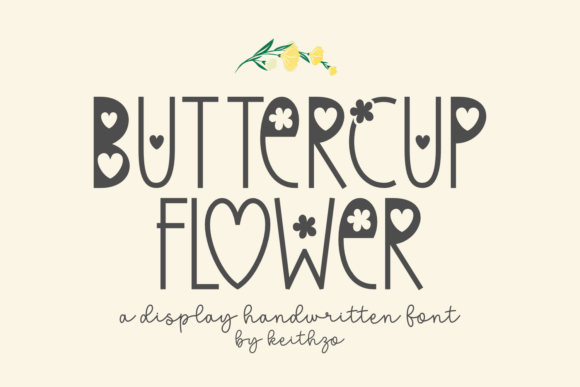
Buttercup Flower has a soft, hand-drawn style that feels personal and authentic. It’s not overly ornate or difficult to read, which makes it ideal for a variety of business materials. Whether you’re designing a logo, crafting packaging, or creating social media content, this font adds character without overwhelming the message.
Using Buttercup Flower in Real Business Materials
One of the first places I use Buttercup Flower is in logo design. For a boutique or a handmade product brand, a unique font can make all the difference. It gives your logo a custom feel that feels crafted rather than generic. For example, a bakery might use Buttercup Flower for its logo to evoke a cozy, home-baked vibe that customers instantly recognize.
Product labels are another area where Buttercup Flower shines. Whether you’re selling candles, skincare products, or artisanal foods, a well-designed label can make your product more appealing. The font works well on small spaces, like bottle caps or packaging inserts, without losing its charm. It also pairs nicely with clean, modern designs, helping to balance creativity with professionalism.
For digital marketing, Buttercup Flower is great for headlines and social media graphics. On Instagram posts or Pinterest boards, it draws attention while still being easy to read. When paired with a simple sans serif font, it creates a visual hierarchy that guides the viewer’s eye naturally. This combination is especially useful for online shops or e-commerce brands looking to maintain a cohesive look across platforms.
When to Use Buttercup Flower
Buttercup Flower is best used as a display font or accent typeface. It’s not meant for long blocks of text, but rather for headlines, logos, and short phrases that need to stand out. For example, a café menu could use it for the name of a signature drink or a special offer, making those elements more visually engaging without distracting from the rest of the content.
It also works well as a supporting typeface when paired with a more traditional font. A coaching business might use Buttercup Flower for a tagline or subtitle, while keeping the main body of text in a clean serif or sans serif font. This approach keeps the design balanced and ensures readability, especially on mobile screens where space is limited.
Readability and Practical Considerations
One thing I always check before using a new font is how it looks in real-world situations. Buttercup Flower holds up well on printed materials, such as business cards or packaging, and it remains legible even at smaller sizes. For online use, it works well in thumbnails and banners, adding a friendly touch without compromising clarity.
I recommend testing the font on different backgrounds and sizes before committing to it for your entire brand. Sometimes a font that looks great on a screen doesn’t translate well to print, or vice versa. By experimenting with Buttercup Flower in various contexts, you can ensure it fits your brand’s needs and visual identity.
Font Pairing Tips
Pairing Buttercup Flower with other fonts can help create a more dynamic and professional look. A common and effective pairing is with a clean sans serif font like Arial or Helvetica. This contrast highlights the uniqueness of Buttercup Flower while keeping the overall design modern and readable.
If you prefer a more classic feel, pairing it with a serif font like Georgia or Times New Roman can add sophistication. This combination is great for businesses that want to blend creativity with a sense of tradition, such as a boutique or a local bookstore.
For a more expressive look, consider pairing it with a script font. However, be careful not to overdo it—too many decorative elements can make your design feel cluttered. Stick to one or two decorative fonts and let them serve a specific purpose, like highlighting a key message or adding a personal touch to your branding.
Commercial Licensing and Final Thoughts
Before using any font in your business, it’s important to check the licensing terms. Buttercup Flower is a commercial font, which means it can be used for branding, marketing, and product design—but only if you have the proper license. Make sure to review the terms carefully, especially if you plan to use it on merchandise, client projects, or digital downloads.
Overall, Buttercup Flower is a versatile and charming font that can help small businesses create a more cohesive and memorable brand. Its warmth and personality make it ideal for a wide range of applications, from logos to social media graphics. With the right approach, it can elevate your design work and help your business stand out in a crowded market.